Teaching Govt Jobs 2026: PRT, TGT, PGT, CTET, Lecturer Vacancies & Salary
Find the latest Teaching Govt Jobs 2026 across Central and State Government schools, colleges, and educational boards in India. Whether you are aiming for KVS, NVS, DSSSB, EMRS, or State TET recruitments, explore active vacancies for PRT, TGT, PGT, and Assistant Professor posts. Find official notification PDFs, TET cut-offs, qualification criteria for Graduates and Postgraduate candidates, and direct online application links below.
Posts in Teaching Jobs

Bihar STET 2026 Online Form: Application Form, Eligibility, Fee & Last Date
Sainik School Jhunjhunu Vacancy 2026: Apply Offline for 18 Regular & Contractual Posts
BPSC Bihar TRE 4 Recruitment 2026: Apply Online for 32,388 School Teacher Posts
UPPSC Assistant Professor & Professor Recruitment 2026: Apply Online for 1,156 Posts
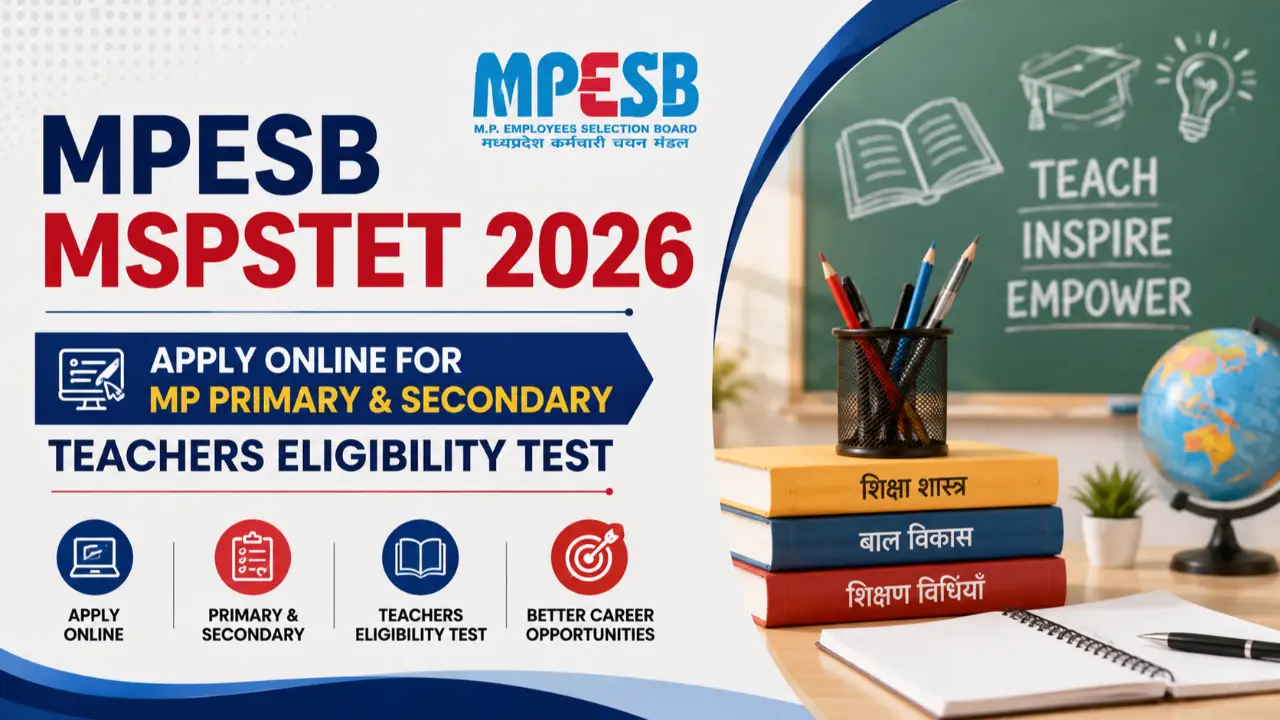
MPESB MSPSTET 2026: Apply Online for MP Primary & Secondary Teachers Eligibility Test
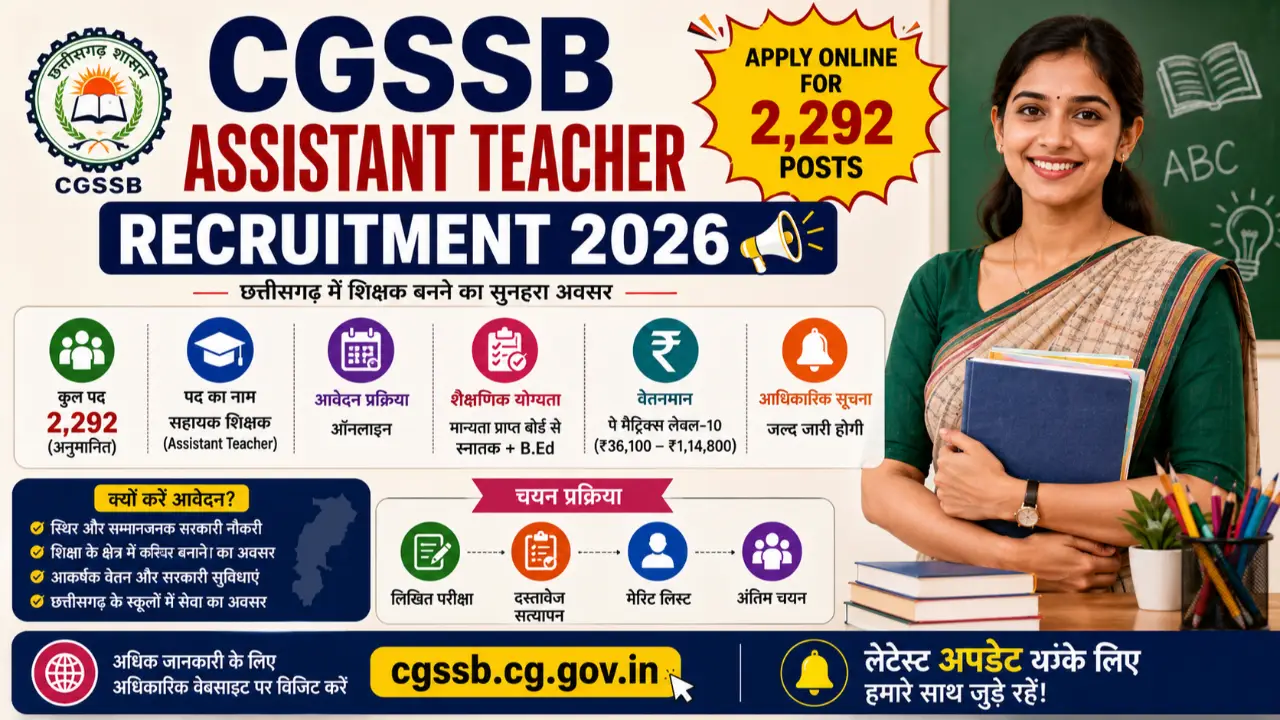
CGSSB Assistant Teacher Recruitment 2026: Apply Online for 2,292 Posts
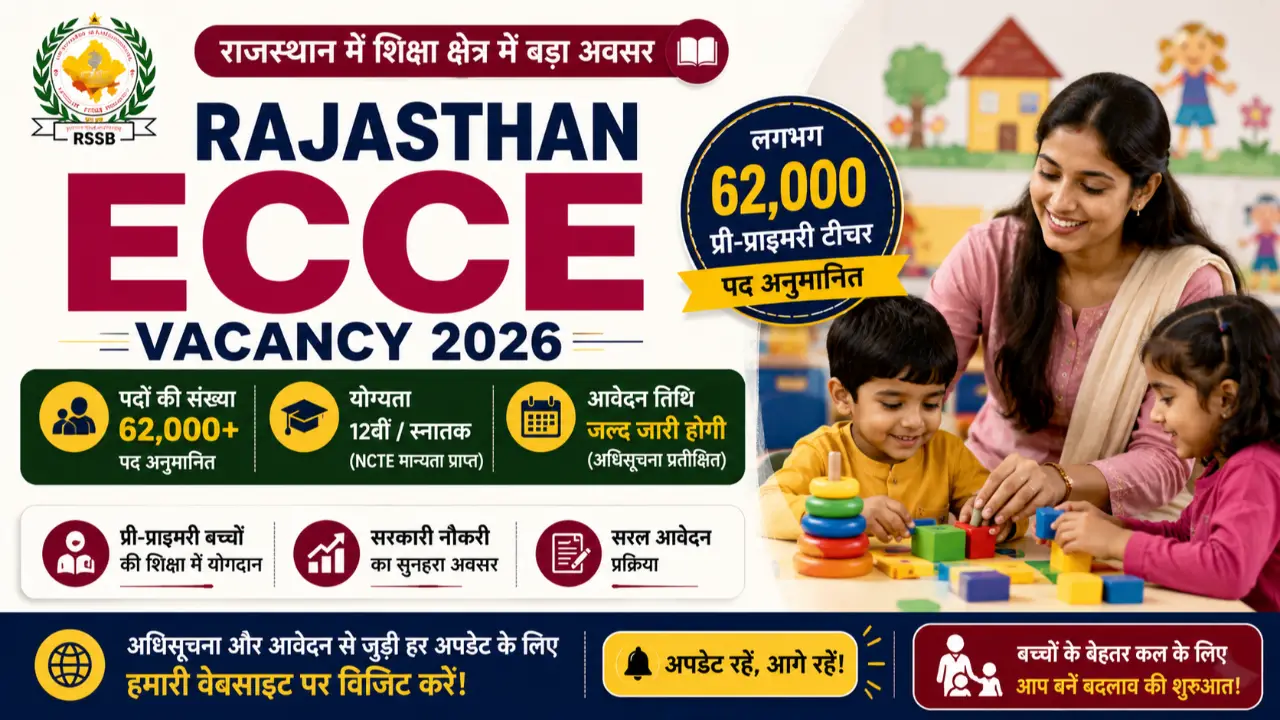
Rajasthan ECCE Vacancy 2026: 62,000 Pre-Primary Teacher Posts Expected, Eligibility, Form Date
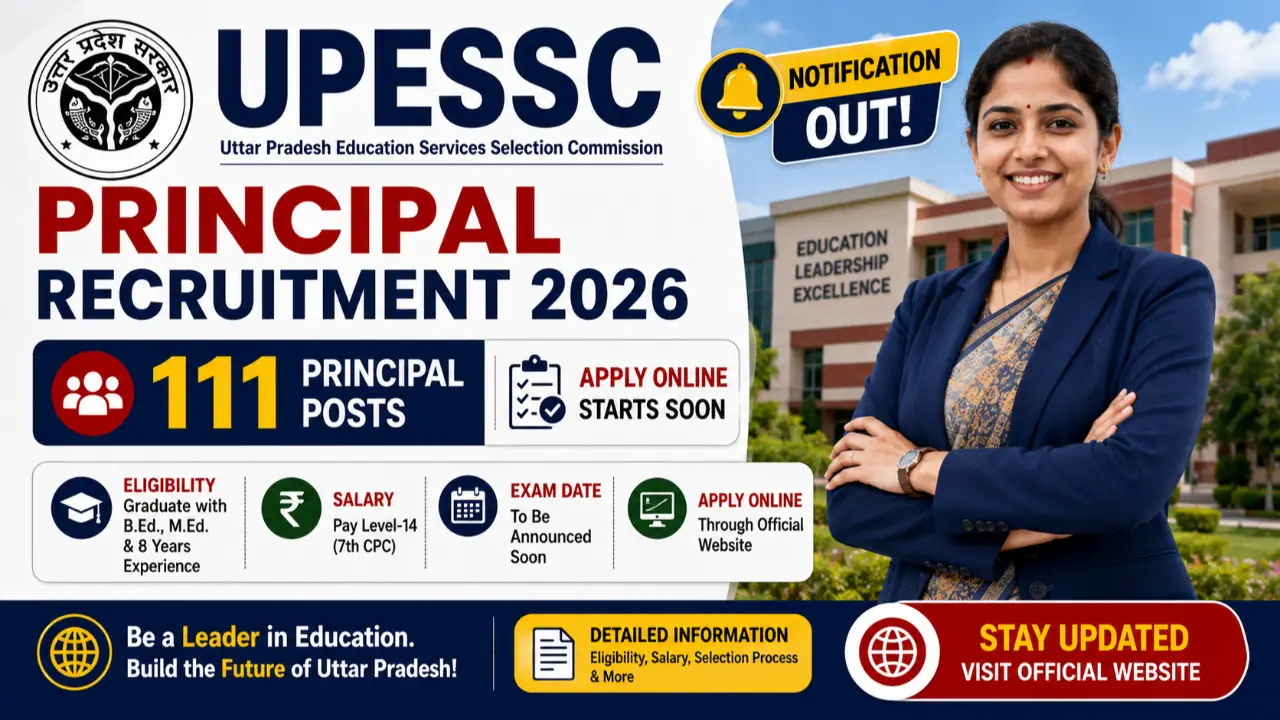
UPESSC Principal Recruitment 2026: 111 Posts, Apply Online
Complete Guide to Teaching Govt Jobs 2026: Recruitment, Eligibility & Career Path
A career in government teaching offers high social respect, job security, fixed academic schedules, and rewarding pay scales. Every year, central bodies and state education departments conduct massive recruitment drives to appoint qualified educators across primary schools, secondary institutions, and higher education universities.
On CareerDiksha Jobs, we bring daily updates for teacher eligibility tests, direct recruitments, and faculty appointments across national boards like CBSE, UGC, and State Public Service Commissions.
Major Government Teaching Levels & Qualification Criteria
Government teaching profiles are structured based on the age group and academic stage of students:
- Primary Teacher (PRT - Classes 1 to 5): Requires 10+2 with D.El.Ed / BTC / JBT / B.El.Ed and clearing CTET Paper-1 or State TET.
- Trained Graduate Teacher (TGT - Classes 6 to 10): Requires a Bachelor’s Degree in the relevant subject with B.Ed and qualifying CTET Paper-2 or State TET.
- Post Graduate Teacher (PGT - Classes 11 to 12): Requires a Master’s Degree in the concerned discipline alongside a B.Ed degree (TET is usually not mandatory for PGT in many central systems).
- Assistant Professor & Lecturer (Colleges/Universities): Requires a Master’s degree with a minimum of 55% marks plus UGC-NET / CSIR-NET / State SET qualification or a Ph.D. Track academic notifications under University Notifications.
- Special Educator & Physical Education Teacher (PET): Specialized recruitment for inclusive education requiring recognized degrees in Special Education or B.P.Ed / M.P.Ed.
Top Recruiting Organizations & Exam Boards
Aspirants can target central and state-level recruitment authorities:
- Central Autonomous Bodies: Kendriya Vidyalaya Sangathan (KVS), Navodaya Vidyalaya Samiti (NVS), Eklavya Model Residential Schools (EMRS), and Central Tibetan Schools Administration.
- National Eligibility Tests: CTET conducted by CBSE, and UGC-NET / CSIR-NET managed by NTA. Check dates via Entrance Exams.
- State Level Boards: State Public Service Commissions (PSC) and Subordinate Selection Boards (e.g., UP Primary Education Board, Rajasthan REET / RPSC, DSSSB Delhi, Bihar BPSC Teacher TRE).
- Urgent Contractual & Ad-hoc Hiring: Fast-track guest teacher appointments released under Walk In Jobs.
Govt Teacher Salary Structure (7th CPC Pay Scale)
Salaries for teaching professionals follow standard Central Civil Services and UGC pay bands with allowances like DA, HRA, and TA:
| Designation / Post | 7th CPC Pay Level | Starting Basic Pay | Estimated Monthly Gross Pay (Approx.) |
|---|---|---|---|
| Primary Teacher (PRT) | Level 6 | ₹35,400 | ₹52,000 - ₹60,000 |
| Trained Graduate Teacher (TGT) | Level 7 | ₹44,900 | ₹65,000 - ₹75,000 |
| Post Graduate Teacher (PGT) | Level 8 | ₹47,600 | ₹70,000 - ₹82,000 |
| College Assistant Professor | Academic Level 10 | ₹57,700 | ₹85,000 - ₹1,05,000+ |
To compute your net in-hand salary with updated Dearness Allowance and upcoming commission revisions, use our online 8th Pay Commission Salary Calculator.
Step-by-Step Selection & Joining Procedure
Securing a teaching appointment involves a clearly defined evaluation process:
- Eligibility Assessment: Qualifying CTET or the relevant State TET to earn eligibility certification.
- Application Submission: Registering online for main recruitment drives on official recruiting portals like cbse.gov.in or respective State Selection Commission portals.
- Main Competitive Written Examination: Appearing for objective and subjective tests covering child development & pedagogy, language proficiency, general studies, and core subject specialization. Download exam blueprints under Exam Syllabus.
- Teaching Demo & Interview: For higher secondary (PGT) and collegiate levels, candidates face classroom demo sessions and personal interviews assessing communication and pedagogical skills.
- Document Verification & School Allotment: Physical scrutiny of educational marksheets, professional degrees (B.Ed/D.El.Ed), and category certificates followed by school merit allotment.
Explore State-Wise Teaching Vacancies
Check teacher recruitment updates across states and Union Territories:
UP Teacher Recruitment | Rajasthan REET & 1st/2nd Grade Jobs | DSSSB Delhi Teacher Jobs | Bihar BPSC Teacher TRE | MP Samvida Shikshak | Haryana HSSC TGT/PGT
Important Study & Career Resources for Teaching Aspirants
Prepare thoroughly with these curated portals and tools on CareerDiksha Jobs: